-
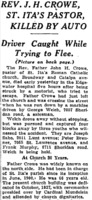 Rev. Crowe Newspaper Announcement
 An image of a newspaper clipping announcing the death of Reverend J.H. Crowe. Rev. Crowe was killed in an automotive accident while he was crossing the street. The driver tried to flee but was caught by three people who witnessed the accident. The image is from August 30th, 1930. Father Crowe is to be remembered through his fundraising and through his talks with the parishioners about how to fundraising and how much they should raise. The parishioners remember Father Crowe through his walks around the parish and how he used to encourage the school boys from the rectory window with their efforts in their snowball fights.
-
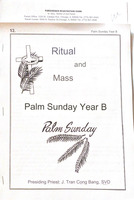 St. Thomas Palm Sunday Newsletter
 The ritual and mass for Palm Sunday year B at St Thomas Church. The priest presiding over the congregation is J. Tran Cong Bang.
-
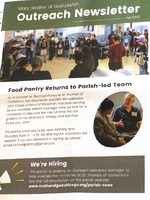 St. Thomas Pantry Newsletter
 The front cover of the St. Thomas of Canterbury Food Pantry is located in the basement of the church in Uptown. The Pantry has operated since at least 1971 and is the largest food bank in the Chicagoland Area. It was founded by a Catholic Worker House member named Jim Eber. The newsletter lists when the pantry is open and that they are hiring.
-
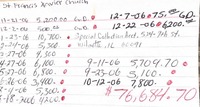 St. Thomas Donation List
 A 3x5 note card documenting the funds raised by the congregation of St. Thomas of Canterbury for Saint Francis Xavier Roman Catholic Church in Wilmette, Illinois.
-
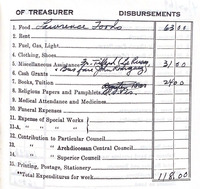 St. Thomas Treasurer List
 A list of donations made to the St. Thomas of Canterbury school and Food Pantry. Not shown in the document is that it was from Saint Francis Xavier in Wilmette. This list contains donations for Food, Fuel, Clothing, Misc Assistance, Cash Grants, Books and Tuition, and others. The total for this donation, which was made by a single person, was 118 dollars.
-
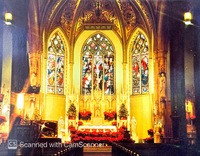 The Sanctuary at St. Ita
 A photograph of the interior of St. Ita's sanctuary decorated for the Christmas season.
-
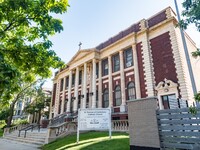 St. Thomas of Canterbury External View
 The exterior view of St. Thomas of Canterbury Catholic Church.
-
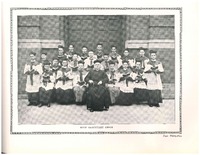 First Boy's Choir
 This is the first boy's choir of St. Gregory's. This photo would have been taken around 1905-7.
-
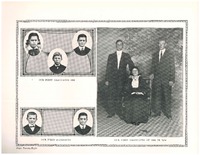 First Graduates of St. Gregorys's
 The three children on the left are pictured during the start of their education at St. Gregory's in 1906. The two boys are pictured again showing saying that they were the first altar boys. Then all three were pictured in 1914 when they graduated.
-
 School Activities-1970s
 Various school activities shown from the churches 75th anniversary booklet. School children of various age groups are shown in an out of classroom settings.
-
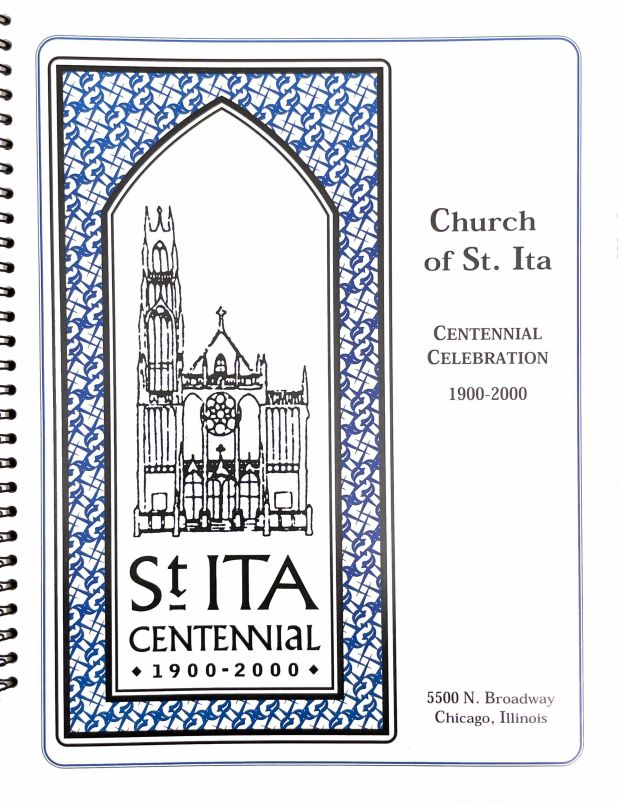 St. Ita's Centennial Celebration Book
 St. Ita's Centennial Celebration Book that describes the one-hundred-year history of St. Ita's Roman Catholic Church. The book starts by describing the renovations that were done to the church for the celebration occurring in 2000. It then describes all of the activities that occurred for the centennial celebration. The book goes on to describe the 100-year history of the church including how service was held in the Guild Hall and then moved to the church. At the end of the book, there are letters from St. Ita's staff experiencing their thanks to the public. There is also a page that includes advertisements for local businesses.
-
 Countries of origin of immigrant parishioners in 1954
 Page from Jubilee handbook listing countries of origin of immigrant parishioners in 1954.
-
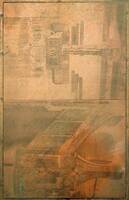 A block stamp illustrating "The Church Beautiful" pamphlet
 This item is a block stamp of lectern and pulpit used by Fr. Klasen in 1942 to illustrate his "The Church Beautiful" pamphlet about art at St. Gregory the Great church in Chicago, Illinois. Klasen originally petitioned for the creation of a church that would stand out; "You may build, but build something distinctive, not just another 'catalogue' church." He took great pride in the beauty of the church and the artworks housed in St. Gregory the Great. This block depicts the Lectern and pulpit of the church. In it's illustration, these stamps utilized a chemical process to transfer the image from the block onto the paper. Klasen describes the intricate details carved on the Lectern which includes imagery of an eagle, the symbol of St. John the Evangelist, and a group of angles. Klasen believed that this piece was a masterpiece and truly admired the beauty. His pamphlet "The Church Beautiful" helps explain the artwork and architecture of the church in great depth in order for people to understand and appreciate the masterpieces.
-
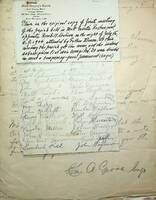 The first meeting of St. Gregory the Great parish
 This item is the original copy of the first meeting of the St. Gregory the Great parish in Chicago, Illinois. This meeting took place on July 15, 1904, shortly after the parish received permission from the Archbishop to be founded. This meeting was held in Matt Evert's restaurant which was located opposite of the Rosehill station afterhours. St. Gregory the Great parish had faced many challenges with getting permission to establish a parish with the Archbishop. The meeting having to be held at a restaurant is reminiscent of both these challenges and the resilience of the community in establishing a church. This meeting was attended by the chosen founding Fr. Klasen. Here, the parish compiled the first subscription list for it's members. The names fill two pages which were attached to a paper of the meeting notes. Additionally, the parish decided to erect a semi-permeant but temporary place of worship, which was used for 20 years, before the building of the 1926 Norman-Gothic church. A list of the 20 attendees is also included.
-
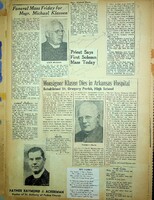 St. Gregory parishioner's scrapbook page including newspaper clippings of Fr. Klasen's passing
 This item is a page of a parishioner's scrapbook composing mainly of historic news clippings of St. Gregory the Great. This scrapbook was created by a parishioner dedicated to the history of St. Gregory the Great and aimed to help preserve it's history. This page features the event of the parish's founding Fr. Klasen passing. The page combines articles about the Friday Funeral Mass for Klasen, the original report on his death at an Arkansas hospital, and his obituary.
-
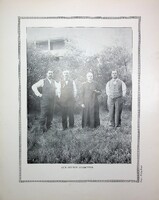 Image of the original church committee of St. Gregory the Great
 This is an image of the Church Committee for St. Gregory the Great parish in the formerly Summerdale neighborhood in Chicago, Illinois. This committee was founded in the spring of 1904 due to a need for a German- speaking parish in this neighborhood to accommodate a community of immigrants from Luxembourg. This committee petitioned to Reverend Archbishop J. E. Quigley and the Archdiocese for the creation of this parish. They had collected the names of potential parishioners and promised this parish would foster a beautiful community. These devoted committee members eventually accomplished their goal after a lengthy period of communication with the Archdiocese. Their proposition to establish the parish of St. Gregory the Great was accepted late in 1904. This committee continued to be integral after the building of the original church building commenced. They were responsible for proposing the appointment of the founding pastor and organizing the first meetings of the parish.
-
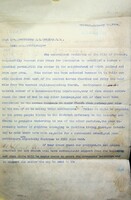 Letter correspondence requesting the establishment of the St. Gregory the Great parish
 This document is a letter to the Reverend Archbishop J. E. Quigley from the original founding committee of St. Gregory the Great church petitioning its creation. The committee members argue the need for a German- speaking parish in the heart of the North Ashland neighborhood to accommodate a population of immigrants from Luxembourg. The committee promises strong support for this parish and that it would foster a flourishing community. The committee even describes the specific plot of land they would like the church to stand on and expected membership. This evidence in the letter insinuates the careful and vigorous planning for this parish. Even though there was a need for this parish, there were months of petitioning to the Archbishop, making the creation of the church a long process. Following this integral letter, the counsel of the Archbishop voted to establish the parish in 1904. Building started swiftly, the community coming together and donating upwards of $8,000 to build the church building.